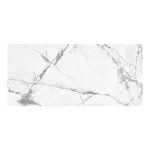
There is a moment in every renovation or new build when a homeowner stands at a crossroads. They have selected the paint colors, the cabinetry, and the light fixtures. Now they must decide on flooring. The question seems simple enough: what flooring should go in each room? But the answer is more complex than it appears. Do you choose different flooring for each space, creating distinct zones with their own character? Or do you choose one flooring and carry it throughout the entire home?
For decades, the conventional wisdom favored separation. Kitchens had tile. Living rooms had hardwood. Bedrooms had carpet. Bathrooms had their own specialized surfaces. Each room was treated as an isolated entity, with its own rules and its own aesthetic. But in recent years, that thinking has shifted. More and more designers and homeowners are embracing the idea of continuous flooring. They are choosing to use the same material across multiple rooms, creating a seamless flow that unifies the entire home.
This article makes the interior design case for using the same flooring across multiple rooms. We will explore the aesthetic, practical, and financial benefits of this approach. We will also address the challenges and offer solutions for making it work in your own home. Whether you are building new or renovating an existing space, the case for consistency is compelling.
The Aesthetic Argument: Creating Visual Flow
The most immediate and obvious benefit of using the same flooring throughout your home is aesthetic. A continuous floor creates a sense of visual flow. When you walk from one room to another, your eye is not interrupted by a change in material. The space feels connected, cohesive, and intentional.
This is particularly important in open-concept homes. In a modern open-plan living area, the kitchen, dining room, and living room often flow together without walls or doors. If you install different flooring in each zone, you create invisible barriers. The kitchen tile ends, and the living room hardwood begins. This transition can make the space feel choppy and divided. It undermines the very concept of open-plan living. A single continuous floor, on the other hand, allows the space to breathe. It enhances the sense of openness and makes the home feel larger.
But the benefits of visual flow are not limited to open-concept homes. Even in traditional homes with separate rooms, continuous flooring creates a sense of harmony. When you walk down a hallway and see the same floor in every doorway, the home feels unified. It feels like a single, coherent design rather than a collection of disparate spaces. This is the hallmark of thoughtful interior design.
The Illusion of Space: Making Rooms Feel Larger
One of the most powerful arguments for continuous flooring is its ability to make a home feel larger. This is a matter of perception. When a room is visually divided by different flooring materials, the eye perceives boundaries. These boundaries make each space feel smaller and more enclosed. When the flooring is continuous, those boundaries disappear. The eye is free to travel from one end of the home to the other without interruption.
This is especially important in smaller homes and apartments. In a compact space, every trick to make the home feel larger is valuable. Continuous flooring is one of the most effective tricks available. It creates the illusion of expansive space. It makes a small living room feel connected to the kitchen, which feels connected to the hallway. The home feels bigger than its square footage suggests.
Designers often use this technique in model homes and showrooms. They install the same flooring throughout the entire space to make it feel more spacious and inviting. It is a simple strategy, but it is incredibly effective.
The Cohesion of Color and Texture
Using the same flooring across multiple rooms also creates cohesion in terms of color and texture. When you choose a single flooring material, you establish a unifying palette for your home. This palette can then be complemented by your wall colors, furniture, and decor.
For example, if you choose a warm, medium-tone wood floor, it becomes the foundation of your design. You can then layer in rugs, furniture, and accessories that harmonize with that tone. The result is a home that feels pulled together and intentional. There are no jarring transitions or clashing colors. Everything works together.
This cohesion extends to texture as well. A single flooring material provides a consistent tactile experience. You feel the same smooth surface underfoot whether you are in the bedroom or the living room. This consistency is comforting and grounding. It makes the home feel like a unified whole.
The Practical Benefits: Durability and Maintenance
Beyond aesthetics, there are practical reasons to use the same flooring across multiple rooms. One of the most significant is durability. When you use the same material throughout, you can choose a high-quality, durable option that will stand up to wear and tear in every room. You do not have to worry about one type of flooring wearing out faster than another.
Maintenance is also simplified. If you have the same flooring everywhere, you only need one set of cleaning supplies and one cleaning routine. You do not have to switch from a vacuum for the carpet to a mop for the tile to a specialty cleaner for the hardwood. This saves time and effort. It also means you can invest in a higher-quality cleaning product for your chosen material, rather than spreading your budget across multiple products.
Another practical benefit is the ease of transitions. When you have different flooring materials, you need transition strips or thresholds at every doorway. These can be trip hazards, and they can also be visually distracting. With continuous flooring, there are no transitions. The floor flows seamlessly from room to room. This is not only safer but also more elegant.
The Financial Argument: Cost-Effectiveness
From a financial perspective, using the same flooring across multiple rooms can be cost-effective. When you buy a single material in bulk, you can often negotiate a better price. You also reduce waste, as you can use offcuts from one room in another. This is particularly true for materials like tile, which are often sold by the box.
Installation costs can also be lower. If the same installer is laying the same material throughout the home, they can work more efficiently. They do not have to switch between different tools and techniques. This can save you money on labor.
Of course, the initial cost of the flooring itself is a factor. Some materials, like natural stone, are more expensive than others. But when you consider the longevity and the timelessness of the design, the investment can be worthwhile. A continuous floor in a classic material like stone or hardwood will never go out of style. It adds value to your home and appeals to a wide range of buyers.
The Challenges and How to Overcome Them
While the case for continuous flooring is strong, it is not without its challenges. It is important to acknowledge these and understand how to address them.
Moisture and Humidity
One of the main reasons homeowners choose different flooring for different rooms is moisture. Bathrooms and kitchens are prone to spills, splashes, and high humidity. Traditional hardwood and carpet are not ideal for these spaces. This is where material selection becomes crucial.
If you want continuous flooring, you need to choose a material that can handle moisture. Porcelain and ceramic tile are excellent choices. They are water-resistant and easy to clean. Luxury vinyl plank (LVP) is another great option. It is waterproof and can mimic the look of wood or stone. Engineered hardwood can also work in kitchens and bathrooms if it is properly sealed and the room is well-ventilated.
For many homeowners, the solution is to use the same material throughout the main living areas and then choose a complementary material for the wet rooms. For example, you might use wide-plank oak throughout the living room, dining room, and bedrooms, and then use a similar-toned porcelain tile in the bathroom. The goal is to create a visual connection, even if the materials are not identical.
When selecting bathroom tiles, look for options that complement your main flooring. If your main floor is a warm wood, choose a tile that has warm undertones. If your main floor is a cool gray, choose a tile in a similar hue. This creates a sense of continuity without sacrificing practicality.
Transitions and Doorways
Even with continuous flooring, you will have transitions at doorways. These transitions can be handled in a few ways. The most seamless approach is to run the flooring directly through the doorway without any break. This creates a truly continuous surface. However, this requires careful planning and installation. The flooring must be laid in a way that accounts for the doorway.
If a transition is necessary, choose a transition strip that matches your flooring as closely as possible. Avoid metal strips that create a visual break. A simple wood or tile transition can blend in and preserve the flow.
Cost and Availability
Another challenge is cost. A high-quality material that is suitable for every room may be more expensive than a combination of cheaper materials. For example, natural stone tile is more expensive than vinyl. However, when you consider the longevity and the value it adds to your home, the investment may be justified.
Availability can also be a challenge. If you are using a specific tile or stone, you need to ensure that you can get enough of it to cover the entire space. It is always wise to buy extra material in case of breakage or future repairs. This is especially important for natural stone, which can vary in color and pattern from batch to batch.
If you are sourcing materials for a large project, it helps to work with a reputable supplier. A professional Tile Store Toronto can help you find the right material in the right quantity. They can also advise you on the best options for your specific needs and budget.
Case Study: A Seamless Home
To illustrate the power of continuous flooring, consider a recent project. A homeowner in a suburban area was renovating a 1970s split-level home. The home had a confusing layout with different flooring in every room: orange shag carpet in the living room, linoleum in the kitchen, and blue tile in the bathroom. The spaces felt disconnected and dated.
The homeowner decided to gut the main floor and start fresh. They chose a large-format Stone Tile in a warm, neutral tone. The same tile was used in the entryway, kitchen, dining room, living room, and hallway. In the bathroom, they used a smaller version of the same stone tile for the floor and a coordinating tile for the walls.
The result was transformative. The home felt twice as large. The flow from room to room was effortless. The neutral tone provided a calm backdrop for the homeowner's furniture and art. The stone tile added a sense of luxury and permanence. The home no longer felt like a collection of separate rooms. It felt like a unified, modern space.
Tips for Success with Continuous Flooring
If you are considering continuous flooring for your home, here are some tips to help you succeed.
First, choose a timeless material. Trends come and go. A bold, patterned tile might look great today, but it may feel dated in five years. A classic material like hardwood, natural stone, or neutral porcelain will stand the test of time.
Second, consider the finish. A polished finish can be slippery in bathrooms and kitchens. A honed or matte finish is safer and more practical. For wood floors, a matte or satin finish is more forgiving than a high-gloss finish.
Third, plan your layout carefully. The direction of the flooring planks or tiles can affect the perception of space. Running planks lengthwise can make a room feel longer. Running them diagonally can add visual interest. Consult with your installer to determine the best layout for your space.
Fourth, do not forget the details. Floor registers, transition strips, and baseboards should all complement your flooring. Choose registers that are flush with the floor and finished in a color that blends in. This attention to detail is what makes a continuous floor look truly seamless.
Fifth, buy extra material. It is always better to have too much than too little. You may need extra for cuts, mistakes, or future repairs. Store the extra in a dry place.
The Verdict: A Design Choice That Makes Sense
The interior design case for using the same flooring across multiple rooms is strong. It creates visual flow, makes spaces feel larger, and establishes a cohesive palette. It simplifies maintenance and can be cost-effective. It adds value to your home and appeals to a wide range of buyers.
While there are challenges to consider, they are not insurmountable. With careful material selection and thoughtful planning, you can achieve a seamless look that transforms your home. The key is to choose a material that is durable, versatile, and timeless. Whether you choose hardwood, porcelain, or natural stone, the result will be a home that feels unified, elegant, and welcoming.
So, the next time you stand at that crossroads, considering your flooring options, remember the case for consistency. Think about the flow of your...