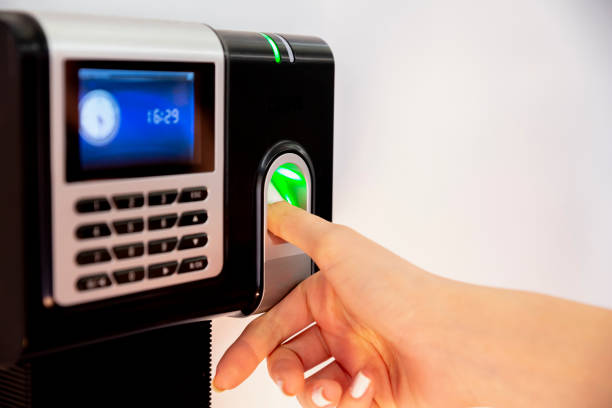
Shared offices and co-working spaces provide a pathway of multiple businesses, freelancers, and visitors to converge. Which presents a very special security problem. However, people should have quick access to the spaces they are allowed − gateways should give them access to their keys or services, while private offices and locked rooms will still need outfitting (and protection).
This balance is easier to manage with a well-designed access control system. Office access control systems in Melbourne helps an organisation to limit the entry of people without traditional use of keys.
How Better Access Control is Needed in Shared Offices?
In a co-working environment, these conventional keys may create chaos. You can lose a key, you can copy it and give it to another person. After a tenant leaves, it is also hard to keep track of who has access.
Electronic access control is more flexible! You issue credentials to approved users and can revoke them when their access expires.
This is especially relevant in the case where your tenants also have individual membership plans or employment hours.
Choosing the Right Access Method
Some businesses algorithm requirements could vary. Common access methods include:
- PIN codes
- Key cards and fobs
- Mobile credentials
- Biometric identification
- Visitor passes
It can also set up different permissions in a system. For instance, the tenant has access to their office and shared kitchen but no access to another company’s workspace.
Managing Visitors
Visitors are another important consideration. Temporary access to clients, contractors, and delivery workers without granting permanent credentials.
Reception point or video entry system can assist in verification of visitors by staff before the entry.
Another way to offer two-way intercoms, and video verification for key entry points (where supported), is with a professional video intercom installation.
Access Control Outside of the Front Door
Security cannot end at the primary entrance. Meeting rooms, server room, storage, and private offices may be part of shared offices.
Control access permissions on a per-area basis. It lowers the possibility of a person who is allowed in the building going into areas for which entry should be prohibited.
For larger facilities, office access control systems Melbourne can help administrators manage multiple doors/floors at once, each with different levels of access.
Temporary and Time-Based Access
When those spaces are co-working ones, you need loose access rules. One member may be permitted to access 24 hours a day and another not until business hours.
They can also offer time-based permissions that align access with membership plans and staff schedules.
Using temporary credentials is also beneficial for contractors. When they are done with that job, you can turn off their access and not have to go collect a physical key.
Keep Security Convenient
A complicated security system will lead to people trying any shortcuts. Thus, it would be quick and easy for authorised users to access.
The process should also be bolstered with well-defined procedures. Employees and tenants need to be aware of the process for report lost credentials (e.g., phone, access badge) and if unable to access workplace.
Consider Integration
Access control can be integrated into other building systems. The technology it uses may link to alarms, CCTV, intercoms, and building management systems.
Such as video intercom installation works hand in hand with controlled entry because staff can verify them before they proceed.
Making a Shared Office Safer
Flexible security for co-working spaces needs to change with tenants, staff, and visitors. Using electronic access control is a practical way to adapt how those changing needs are managed.
Review your users, doors, access schedules, written orders, and non-public spaces before choosing one system.
So, using correctly programmed cards and office access control systems in Melbourne can still allow you to provide easy entry into common places of the building but offer scope for greater access control over areas or specific rooms within the entire structure.