Drought-Tolerant Doesn’t Mean Just Gravel and Cacti
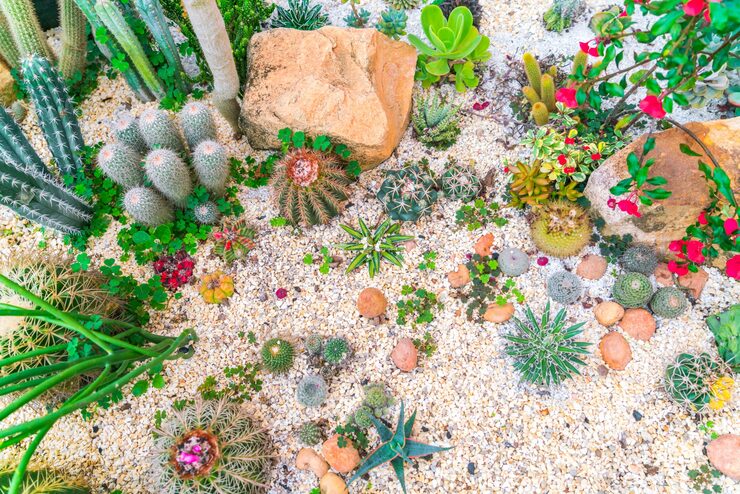
Drought-tolerant landscaping has an outdated reputation as a sparse yard full of rocks and a single cactus, but modern xeriscaping has moved well past that. Done well, it produces a lush-looking, genuinely attractive landscape that simply needs a fraction of the water a traditional lawn demands.
Start by Replacing Lawn, Not Eliminating It Entirely
Traditional turf grass is by far the thirstiest part of most home landscapes, and replacing even a portion of it with groundcover, native grasses, or hardscaping makes the biggest single impact on water usage. Many homeowners keep a smaller patch of lawn for functional use — kids, pets — while converting the rest, which balances water savings with practicality better than an all-or-nothing approach.
Choose Plants Native to Your Region
Native and regionally adapted plants have evolved for local rainfall patterns, which means they need significantly less supplemental watering once established than ornamental species imported from wetter climates. A local extension office or native plant nursery is a far better resource for this than a generic plant list, since drought tolerance varies enormously by region and soil type.
Mulch Is Doing More Work Than People Realize
A two-to-three-inch layer of mulch around plants and beds dramatically reduces evaporation from soil, meaning less frequent watering and healthier root systems even during hot stretches. Organic mulch also breaks down over time and improves soil quality, which compounds the water-retention benefit year over year.
Smart Irrigation Beats Cutting Watering Entirely
Switching from a sprinkler system to drip irrigation delivers water directly to root zones instead of losing a large percentage to evaporation and runoff, often cutting water usage by close to half for the same plant health outcome. A simple smart irrigation timer that adjusts based on weather data prevents the common mistake of watering on a fixed schedule regardless of recent rainfall.