Raised Beds Get Recommended Constantly — But Not Always for Good Reasons
Raised garden beds show up in nearly every gardening guide as the default recommendation, often without much discussion of when they’re actually the better option versus when in-ground planting would work just as well for less money and effort.
Where Raised Beds Genuinely Win
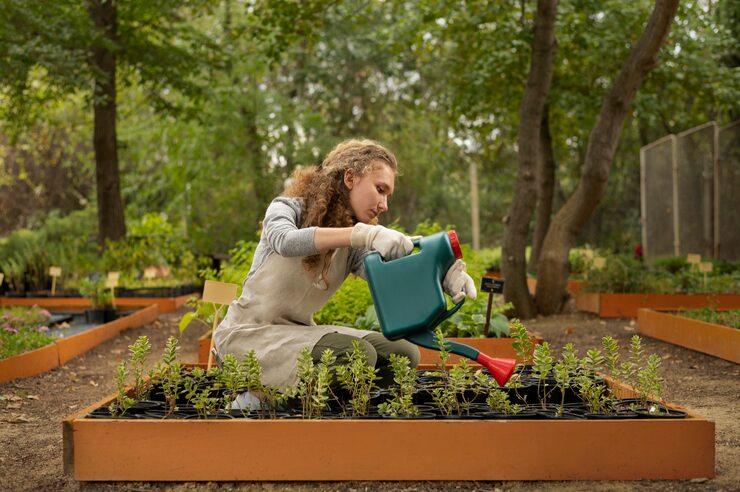
For anyone dealing with poor native soil — heavy clay, contaminated urban soil, or soil with drainage problems — a raised bed solves the problem completely by letting you fill it with quality soil from scratch rather than trying to amend what’s already there. They also offer real ergonomic benefits, reducing the bending and kneeling that makes in-ground gardening hard on the back and knees, which matters more than people admit until they’re a few seasons in.
Raised beds warm up faster in spring, which can extend the growing season meaningfully in cooler climates, and they create a clear visual boundary that keeps grass and weeds from creeping into planting areas.
Where In-Ground Planting Still Makes More Sense
If the existing soil is reasonably healthy, building raised beds is often unnecessary extra cost and labor for a benefit that doesn’t apply. In-ground beds also retain moisture better in hot, dry climates, since raised beds dry out faster due to increased exposure on all sides — meaning more frequent watering, which adds up over a season.
For larger growing areas, the lumber or material cost of multiple raised beds can be substantial, while in-ground plots scale up at essentially no material cost beyond soil amendments.
The Real Cost Breakdown
A single raised bed, built from cedar or another rot-resistant wood and filled with quality garden soil, typically costs several times more than preparing the same square footage of in-ground bed. That cost is often worth it for the soil-quality and accessibility benefits, but it’s not a small decision, especially for anyone planning multiple beds.
A Reasonable Middle Ground
Many experienced gardeners use a hybrid approach: raised beds for vegetables that need precise soil conditions or frequent tending, and in-ground planting for larger, lower-maintenance crops or perennial beds. This avoids both overspending on unnecessary raised beds and struggling with genuinely poor soil where it counts most.