A slow drain is easy to dismiss when water eventually disappears, but repeated backups deserve attention. Your plumbing system carries wastewater away from sinks, tubs, toilets, and appliances through a connected network of branch drains and sewer piping. When buildup narrows that route, several fixtures can begin draining poorly, odors can appear, and wastewater can return to the home. Understanding the cause early helps you protect your property and avoid avoidable disruption.
For homeowners and property managers, sewer drain cleaning in Iowa City, IA is an important response when routine plunging no longer solves the problem. The right service focuses on restoring flow while identifying factors that could cause another blockage. A professional assessment also helps distinguish a localized fixture clog from a problem farther along the main sewer line, which matters when deciding on the safest and most effective next step.
Warning Signs That a Sewer Drain Needs Attention
One slow sink often points to a nearby trap or branch pipe. Watch for toilets that gurgle when a nearby sink empties, water that rises in a shower when a toilet is flushed, or several drains that become slow at the same time. These symptoms suggest wastewater is meeting resistance downstream.
Persistent sewer odors, recurring clogs, and unexpected wet areas near an outdoor sewer route also warrant investigation. If wastewater backs up into a tub, floor drain, or basement fixture, stop using water where practical and arrange prompt professional help. Avoid contact with sewage, which can contain harmful microorganisms.
What Professional Drain Cleaning Involves
A technician typically begins by asking which fixtures are affected, how often the issue occurs, and whether previous clearing attempts helped. That history guides the inspection. Depending on the symptoms and pipe access, the technician may check accessible cleanouts, use suitable drain-clearing equipment, or recommend a camera inspection if a recurring obstruction or pipe defect is suspected.
Understanding the Main Line Cleanout
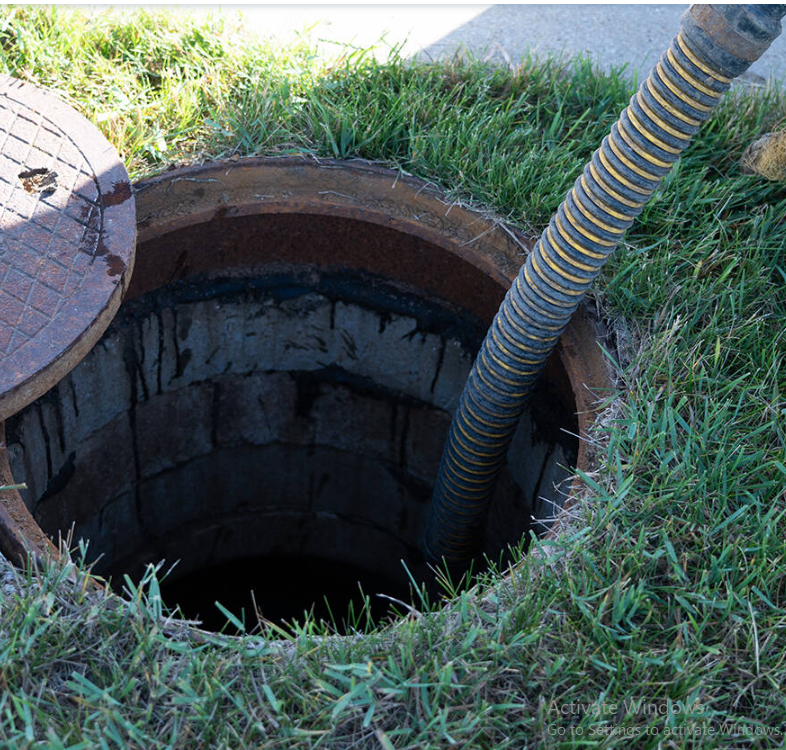
A main line cleanout provides access to the sewer line for inspection and clearing. It may be located outside near the foundation or in a basement or utility area, depending on the property’s plumbing layout. If you cannot locate it, ask a plumbing professional for assistance rather than opening an unfamiliar pipe or fitting.
Common Sewer Drain Cleaning Methods
Cleaning methods depend on the material causing the restriction and the condition of the piping. Cabling or snaking uses a flexible cable to break through or remove localized blockages. Hydro jetting uses high-pressure water to clear accumulated grease, scale, and other deposits along a section of pipe. The appropriate method depends on the obstruction and the condition of the sewer line.
When a Sewer Camera Inspection Is Needed
A sewer camera inspection can help identify recurring blockages, root intrusion, cracks, shifted joints, and other defects inside the pipe. It allows a technician to assess the line’s condition and determine whether cleaning alone is likely to resolve the problem.
No single cleaning method fits every pipe. Older, damaged, or fragile piping should be evaluated before aggressive equipment is used, and chemical drain cleaners should not be treated as a substitute for diagnosing a persistent main-line issue.
Common Causes of Sewer Line Blockages
Grease and cooking oils cool and cling to pipe walls, gradually catching food particles and other debris. Wipes, hygiene products, cotton swabs, and excess paper should stay out of toilets. Outdoors, tree roots may enter through existing joints or cracks, especially where moisture attracts root growth.
Tree Root Intrusion
Root intrusion can be a recurring cause of sewer blockages because roots may grow back into vulnerable joints or damaged sections after the initial obstruction is removed. If a blockage returns repeatedly, a camera inspection can help determine whether roots or another structural issue is responsible.
Damaged or Misaligned Sewer Pipes
Pipe sagging, corrosion, shifted joints, and damaged sections can collect waste or interrupt flow. These structural problems may cause a clog to return soon after cleaning. If a technician suspects damage, ask what evidence supports the finding and whether a camera inspection would clarify the condition before repairs are planned.
Habits That Help Prevent Repeat Problems
Use kitchen strainers to catch food scraps, collect grease in a disposable container, and put it in the trash once cool. Keep track of when backups occur and which fixtures are involved; those details help a technician narrow down the source.
Avoiding Chemical Drain Cleaners
Avoid relying on chemical drain cleaners for recurring clogs. Some products can damage vulnerable pipes, corrode plumbing components, or harm seals, depending on their ingredients and the condition of the plumbing. Follow product safety instructions, never mix drain-cleaning chemicals, and seek professional advice when a blockage persists.
Planning Preventive Sewer Maintenance
If your property has mature trees or a history of sewer trouble, ask about an appropriate inspection schedule based on pipe material, age, and past findings. Preventive maintenance should be tailored to the system rather than performed blindly at arbitrary intervals.
Choosing the Right Next Step in Iowa City
A reliable service visit should explain the suspected cause, the method recommended, any limitations, and what to do if the problem returns. If multiple drains are backing up or sewage is entering the building, treat the issue as urgent rather than waiting for it to clear on its own.
Understanding Sewer Line Repair Responsibilities
Before arranging sewer lateral repairs, clarify responsibility for the affected section of pipe. Iowa City municipal code assigns property owners responsibility for maintaining building sewers and connections at their expense. The exact requirements for a particular repair should be confirmed with the City of Iowa City before work begins, especially when the line or connection involves public infrastructure.
Conclusion
Healthy drains depend on sensible daily habits and prompt attention to changes in performance. If slow drains, repeated clogs, gurgling, or sewer odors are affecting your property, arrange a professional assessment and describe the symptoms clearly. Taking action early helps identify whether cleaning is sufficient or whether a deeper pipe issue needs attention, keeping your plumbing system safer and more dependable.