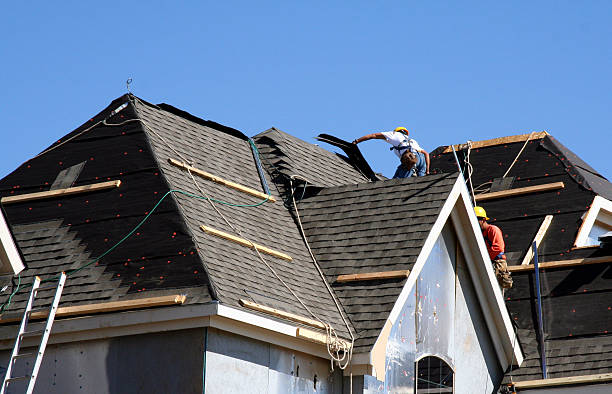
Choosing a roofing contractor is an important decision for any homeowner. A properly installed roof helps protect the building from moisture, wind, and seasonal temperature changes while preserving the home’s structural condition. However, selecting a contractor based only on price can lead to unexpected expenses, unclear project expectations, and workmanship concerns. Understanding what separates a professional roofing service from an unreliable offer helps you make a more confident choice.
Before contacting roof contractors in Iowa City, IA, consider your property’s condition, the type of roofing system you have, and the results you expect from the project. Some roofs need isolated repairs, while others require complete replacement because of widespread deterioration. A qualified contractor should inspect the roof, explain the findings, and recommend work that addresses the actual problem rather than automatically suggesting the most expensive option.
Determine Your Roofing Needs First
Understanding the problem helps you ask better questions when requesting estimates. Start by identifying any visible concerns inside and outside your home.
Look for these warning signs:
- Water stains on ceilings or upper walls.
- Shingles that appear cracked, loose, curled, or missing.
- Damaged metal flashing around chimneys, vents, and roof intersections.
- Excessive shingle granules collecting in gutters.
- Repeated leaks that return after temporary repairs.
- Unusual moisture or musty odors in the attic.
These symptoms do not always indicate that the entire roof needs replacement. Their significance depends on the roof’s age, material, installation, and overall condition. A professional assessment helps establish the appropriate scope of work.
Understanding Roofing Material Life Expectancy
Different roofing materials offer different service lives, which can influence your replacement decision and long-term maintenance costs. Standard asphalt shingles generally last around 20 years, while architectural asphalt shingles can last approximately 30 years. Metal roofing systems may last 40–80 years, while clay and concrete tiles can exceed 100 years under suitable conditions.
These figures are estimates rather than guarantees. Local weather, installation quality, material specifications, maintenance, and storm exposure can affect actual roof longevity. Ask contractors to explain the expected service life of their recommended materials and how each option performs under Iowa’s seasonal weather conditions.
Questions to Ask Before Hiring a Roofing Contractor
A productive consultation should give you a clear understanding of the contractor’s qualifications and proposed process.
What Experience Do You Have With Similar Roofs?
Ask whether the contractor has worked with your roofing material, roof pitch, and architectural design. Experience with comparable properties helps the professional anticipate installation challenges and recommend appropriate materials.
Are You Properly Insured?
Request documentation showing applicable liability insurance and workers’ compensation coverage. Confirm any licensing or registration requirements that apply to the project. Verification protects you from relying solely on verbal assurances.
What Does the Estimate Include?
A comprehensive written estimate should identify the roofing materials, installation labor, removal of existing materials, disposal arrangements, and anticipated schedule. It should also explain how damaged decking, flashing repairs, or other unexpected conditions will be handled.
Which Warranties Apply?
Ask about manufacturer warranties and workmanship coverage. Review the terms, exclusions, maintenance requirements, and procedures for reporting problems. Different warranties protect against different issues, so understanding the distinction matters.
Understanding Roofing Estimates
The lowest estimate is not necessarily the best value. One contractor might include upgraded underlayment, new flashing, and disposal fees, while another might exclude these items from the initial price.
Compare proposals line by line. Check the material specifications, ventilation provisions, payment schedule, cleanup responsibilities, and conditions that could increase the final cost.
Request clarification whenever an estimate contains vague descriptions such as miscellaneous repairs or additional materials without explaining how charges will be calculated. Written answers make comparisons more reliable and help establish expectations before work begins.
Preparing for a Roofing Project in Iowa City
Weather conditions influence roofing schedules, material handling, and installation planning. Discuss the anticipated start date, weather delays, and temporary protection measures with your contractor.
Before work begins, move vehicles away from the work area, protect fragile items near the house, and discuss access to the property. Ask how landscaping, outdoor furniture, and surrounding areas will be protected during material removal and installation.
You should also establish how the contractor will communicate progress, report unexpected damage, and arrange the final inspection. Clear communication helps prevent confusion when project conditions change.
Why Attic Ventilation and Ice Dams Matter
Proper attic ventilation helps regulate heat and moisture levels, protecting the roofing system from premature deterioration. Inadequate ventilation can contribute to moisture accumulation, condensation, and excessive heat buildup, potentially affecting roofing materials and the roof deck.
Ice dams are another concern during Iowa winters. They develop when heat escaping into the attic warms the roof surface, causing snow to melt. The water flows toward colder roof edges, freezes, and forms an ice barrier. Additional melting snow can collect behind this barrier and seep beneath shingles, damaging insulation, ceilings, and walls.
A qualified contractor should evaluate attic insulation, air leakage, and ventilation when inspecting your roofing system. Addressing these conditions helps reduce moisture problems, uneven roof temperatures, and the risk of recurring ice dams.
Warning Signs of an Unreliable Contractor
Be cautious when a contractor refuses to provide a written estimate, pressures you into signing immediately, or demands full payment before work begins. Unusually low bids without detailed material specifications also deserve closer examination.
Avoid relying on verbal promises about warranties or project completion dates. A professional agreement should explain responsibilities, payment terms, and the process for addressing additional work.
Handling Storm Damage and Roofing Insurance Claims
Iowa homeowners can experience roof damage from seasonal hailstorms and strong winds. Missing shingles, dents, damaged flashing, and granule loss can indicate storm-related problems that require professional inspection.
If you suspect storm damage, document the affected areas with photographs and videos before making temporary repairs. Contact your insurance company to understand your policy’s coverage, deductibles, claim deadlines, and documentation requirements. Coverage depends on the policy terms and the nature of the damage.
A qualified roofing contractor can inspect the roof, prepare a repair estimate, and help identify visible storm damage. You may also coordinate the inspection with your insurance adjuster so both parties can review the affected areas. Keep copies of estimates, inspection reports, repair receipts, and communication related to the claim.
Avoid signing agreements under pressure or assuming that every roofing repair will qualify for insurance coverage. Review the proposed work and insurance settlement carefully before authorizing permanent repairs.
Make an Informed Roofing Decision
Selecting a contractor requires careful comparison of qualifications, materials, pricing, and communication. When evaluating roof contractors in Iowa City, IA, focus on documented experience, clear proposals, appropriate insurance, and realistic project expectations.
If your roof needs attention, arrange a professional inspection and request a detailed written estimate. Comparing your options carefully helps you plan the work, manage your budget, and protect your home against future roofing problems.